
A kitchen revolution
5 food freshness habits that actually work
A Stuff sponsored content series with GLAD
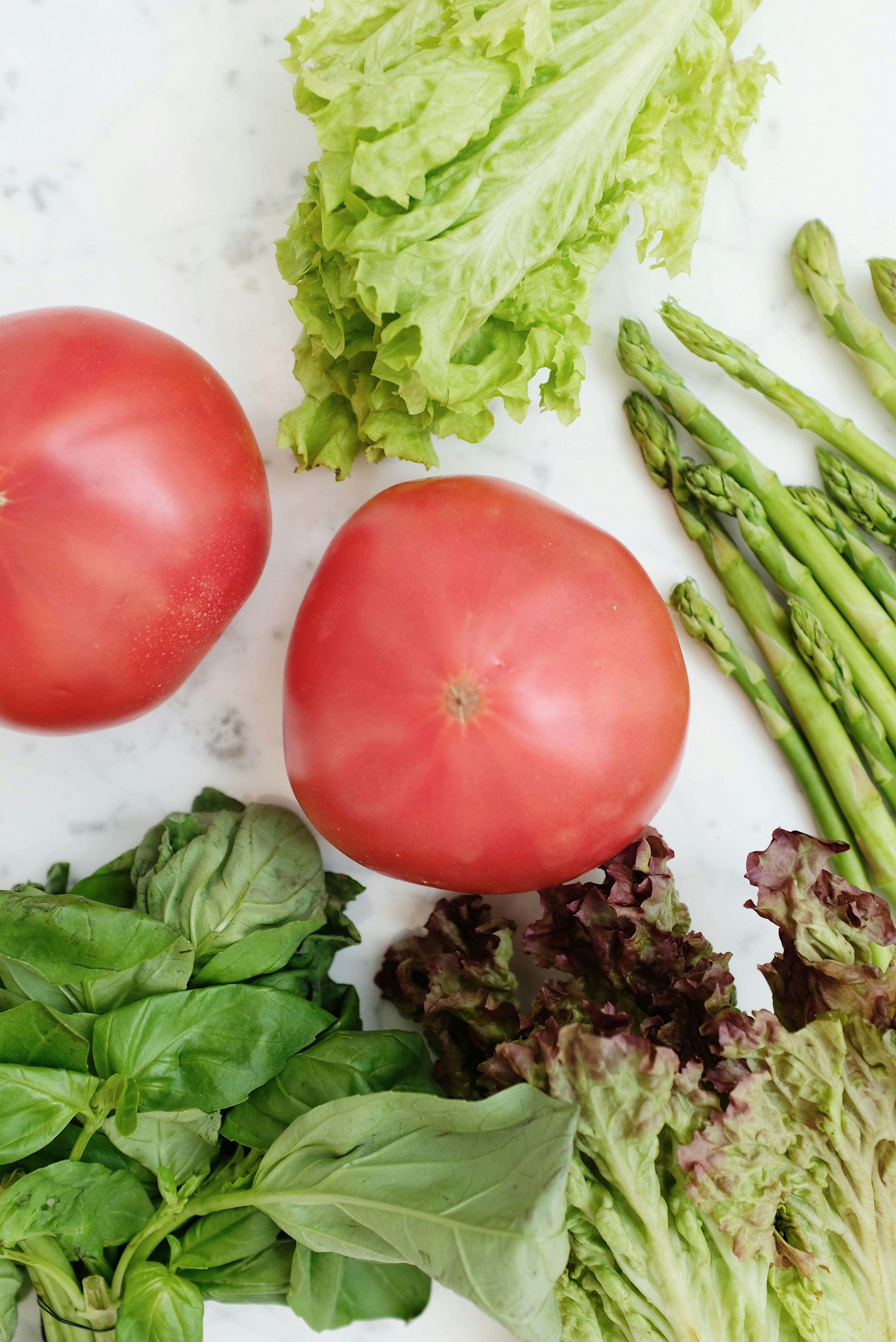

New Zealand households throw away an estimated $1.4 billion worth of food every year and most of it isn’t down to big mistakes or overindulgence.
It’s the small, everyday habits: leftovers left out too long, half-used ingredients forgotten at the back of the fridge, or confusion over what date labels really mean.
More people are starting to rethink how they store and use food, not just to save money, but to reduce waste and make everyday life run more smoothly. The good news is that it doesn’t take a complete kitchen overhaul to make a difference. A few simple shifts in how you store, prep and manage food can help it last longer, and reduce what ends up in the bin.
Here are five practical habits that can make a real impact.
1. Store leftovers sooner
One of the most common causes of food waste is simply leaving leftovers out for too long. After a meal, it’s easy to delay dealing with what’s left, but that window matters more than most people realise.
Once food has cooled, getting leftovers covered and into the fridge promptly helps maintain freshness and reduces the risk of spoilage. Building a habit of clearing and storing food straight after eating can make a noticeable difference over time.
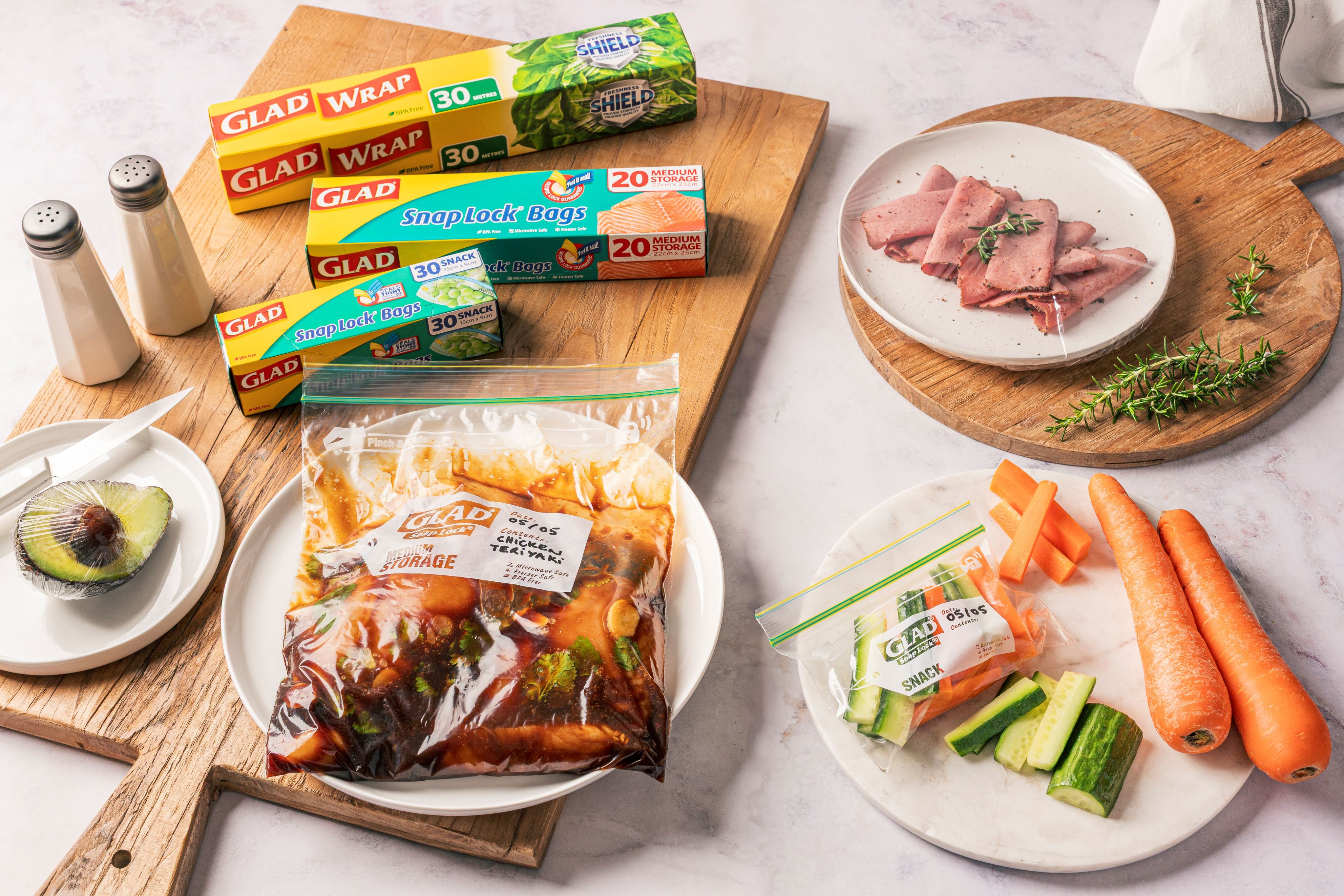
Using a reliable wrap with an airtight cling seal helps protect food as it cools and stores, locking in freshness and preventing exposure to air. For everyday meals, from cut meats to leftover vegetables, it’s a simple step that helps ensure food is still good to eat the next day.
GLAD WRAP features an airtight cling seal that locks in freshness and helps protect food from exposure to air.
- Helps keep leftovers fresh
- Clings tightly to bowls and plates
- Reduces the risk of spills and drying out
Reliable storage straight after meals means food is still good to eat the next day.

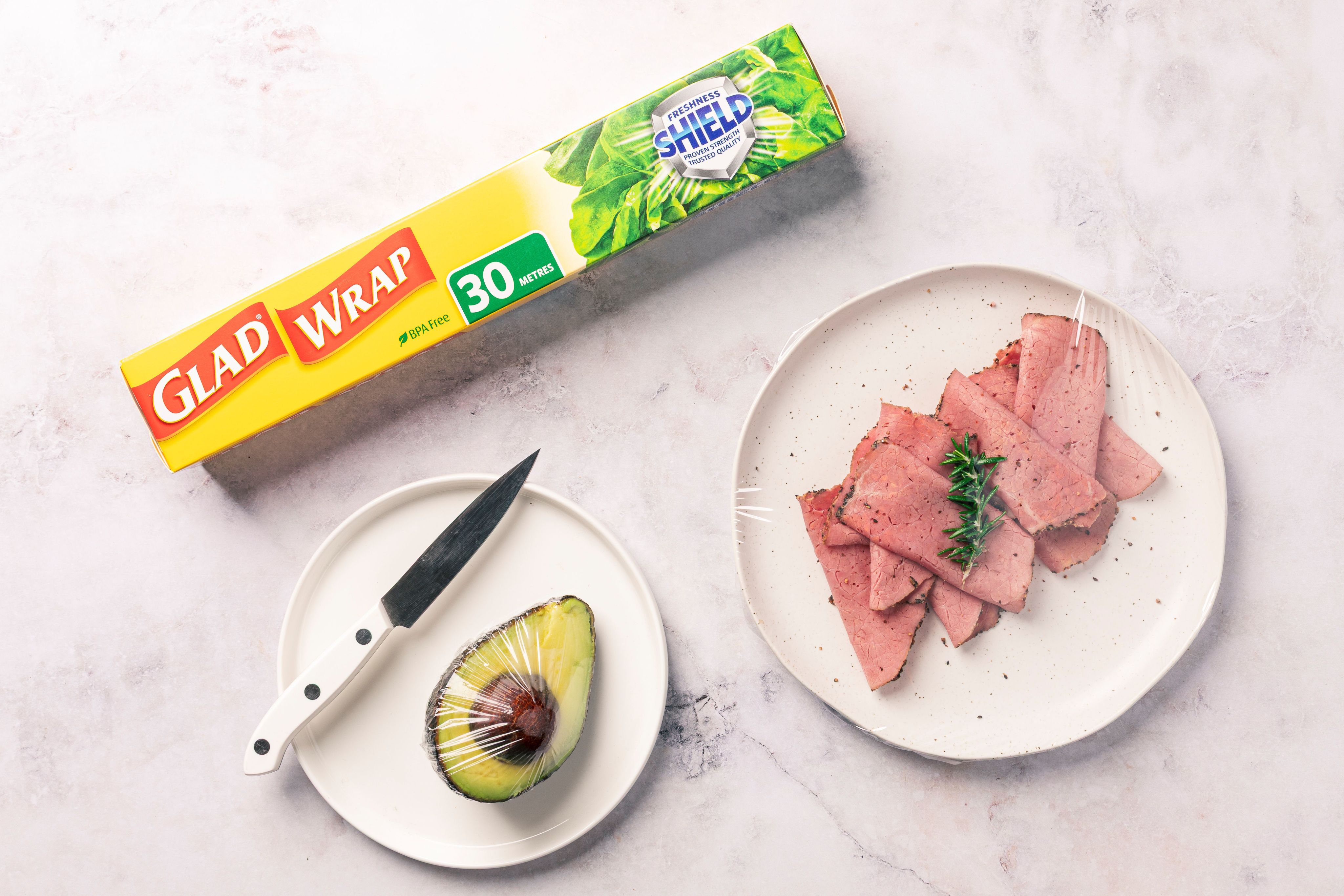
GLAD WRAP features an airtight cling seal that locks in freshness and helps protect food from exposure to air.
GLAD WRAP features an airtight cling seal that locks in freshness and helps protect food from exposure to air.

2. Seal it up
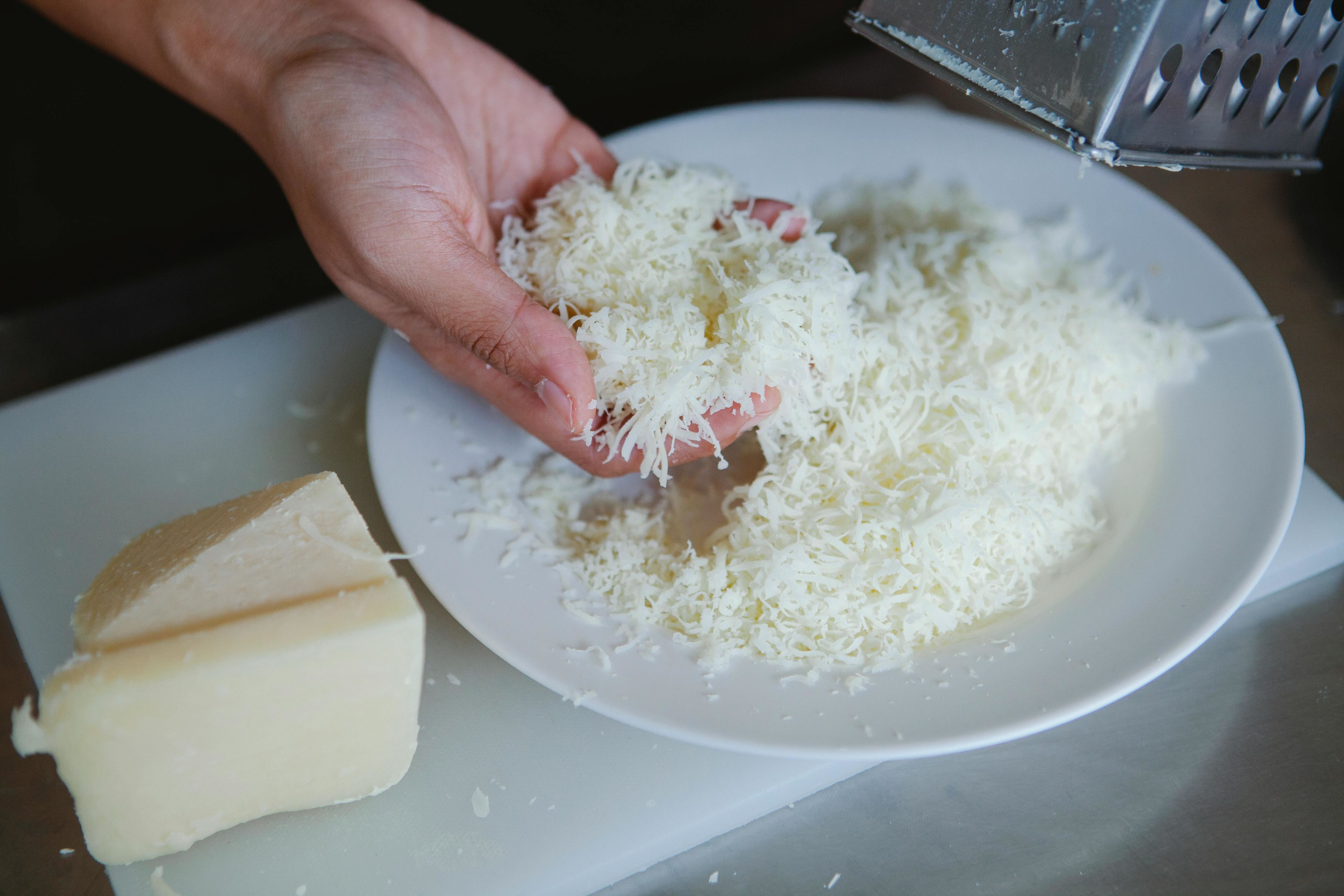
Air exposure can affect the quality of everyday foods, causing ingredients to dry out or lose texture over time — whether it’s half an avocado, grated cheese, cooked meats, or leftover crudites.
Creating a secure seal when storing food helps keep ingredients contained and easier to manage. It’s especially useful for items that are regularly opened and reused, like carrot sticks, berries, vegetables or packed lunches.
Resealable storage solutions with a secure, double lock and leak-proof seal help contain food and prevent leaks, spills and mess. Adding a simple date label (for example, 12.04) also helps track how long items have been stored, making it easier to use them in time.
GLAD SNAP LOCK Reseal Bags feature a double lock, leak-proof seal designed to help contain food and prevent leaks and spills.
- Ideal for everyday foods like cheese, sandwiches and cut produce
A simple, secure seal helps keep food organised and easier to use.
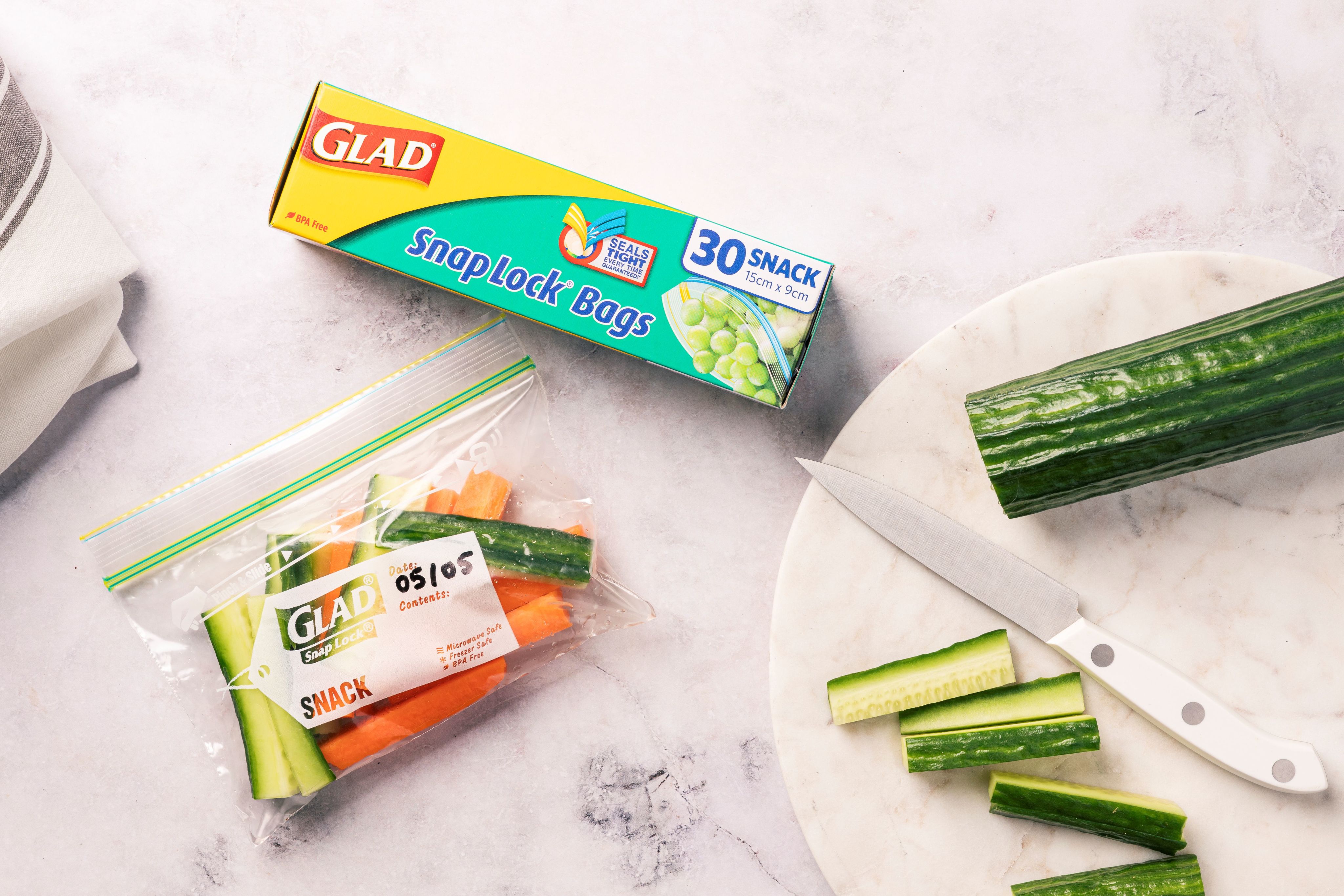
GLAD SNAP LOCK Reseal Bags feature a double lock, leak-proof seal designed to help contain food and prevent leaks and spills.
GLAD SNAP LOCK Reseal Bags feature a double lock, leak-proof seal designed to help contain food and prevent leaks and spills.

3. Understand date labels
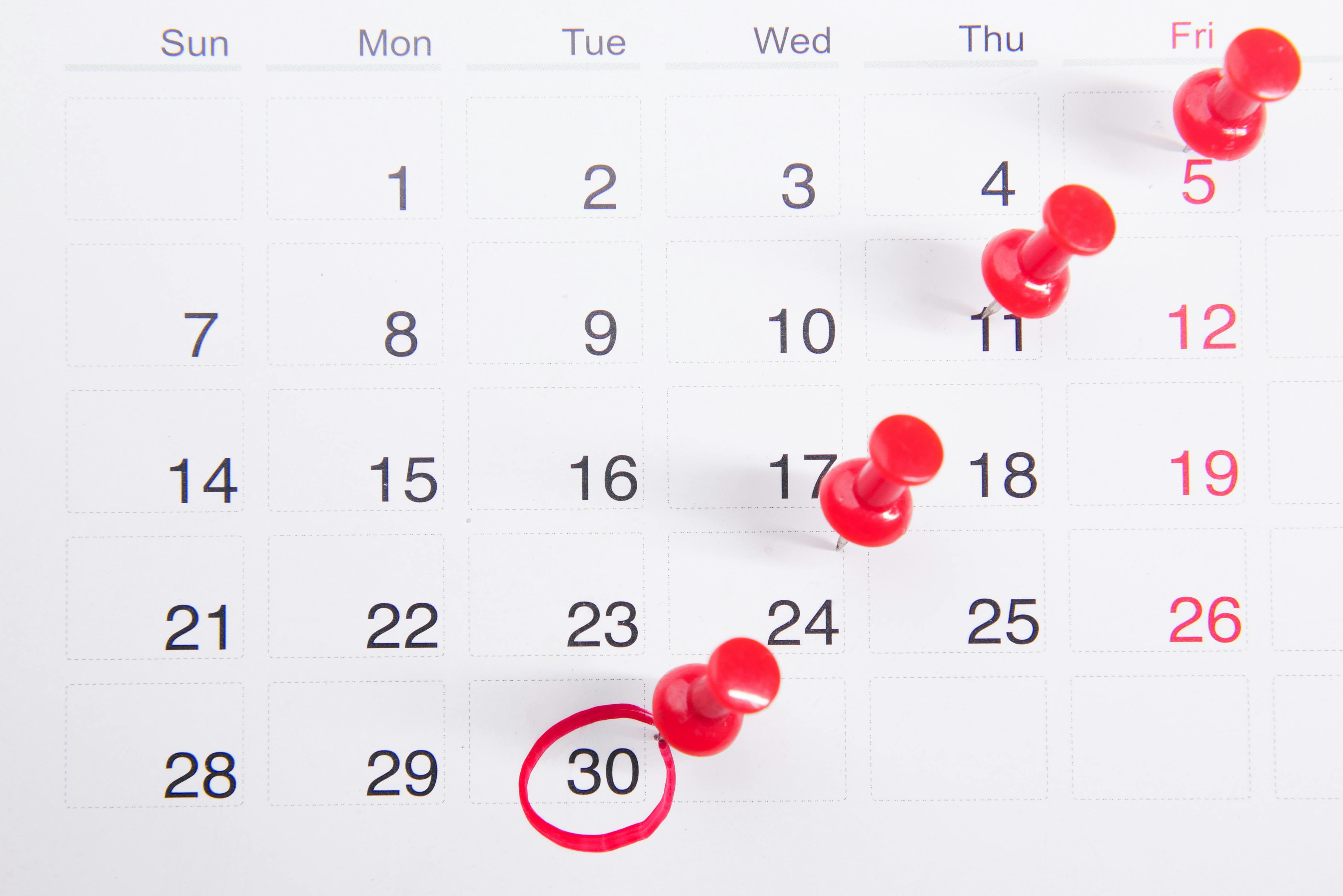
Date labels are one of the most misunderstood parts of food storage, and a major contributor to unnecessary waste.
A “best-before” date is about quality, not safety. In many cases, food can still be perfectly fine to eat after this date if it has been stored correctly. A “use-by” date, on the other hand, is more important from a safety perspective.
Learning to interpret these labels properly, and combining that knowledge with good storage habits, can prevent perfectly good food from being thrown away.
Freezing items before they reach their limit, or sealing them properly to extend freshness, can help bridge the gap between intention and action.
GLAD SNAP LOCK Reseal Bags make it easier to store and track food properly.
- Features a write-on label to easily track the date and food stored directly on the bag
- Double Lock, Leak Proof seal helps keep food fresh and prevents leaks and spills
- Supports better decisions around what to keep or use
When food is stored well, date labels become a guide, avoiding the uncertainty which leads to throwing things away early.
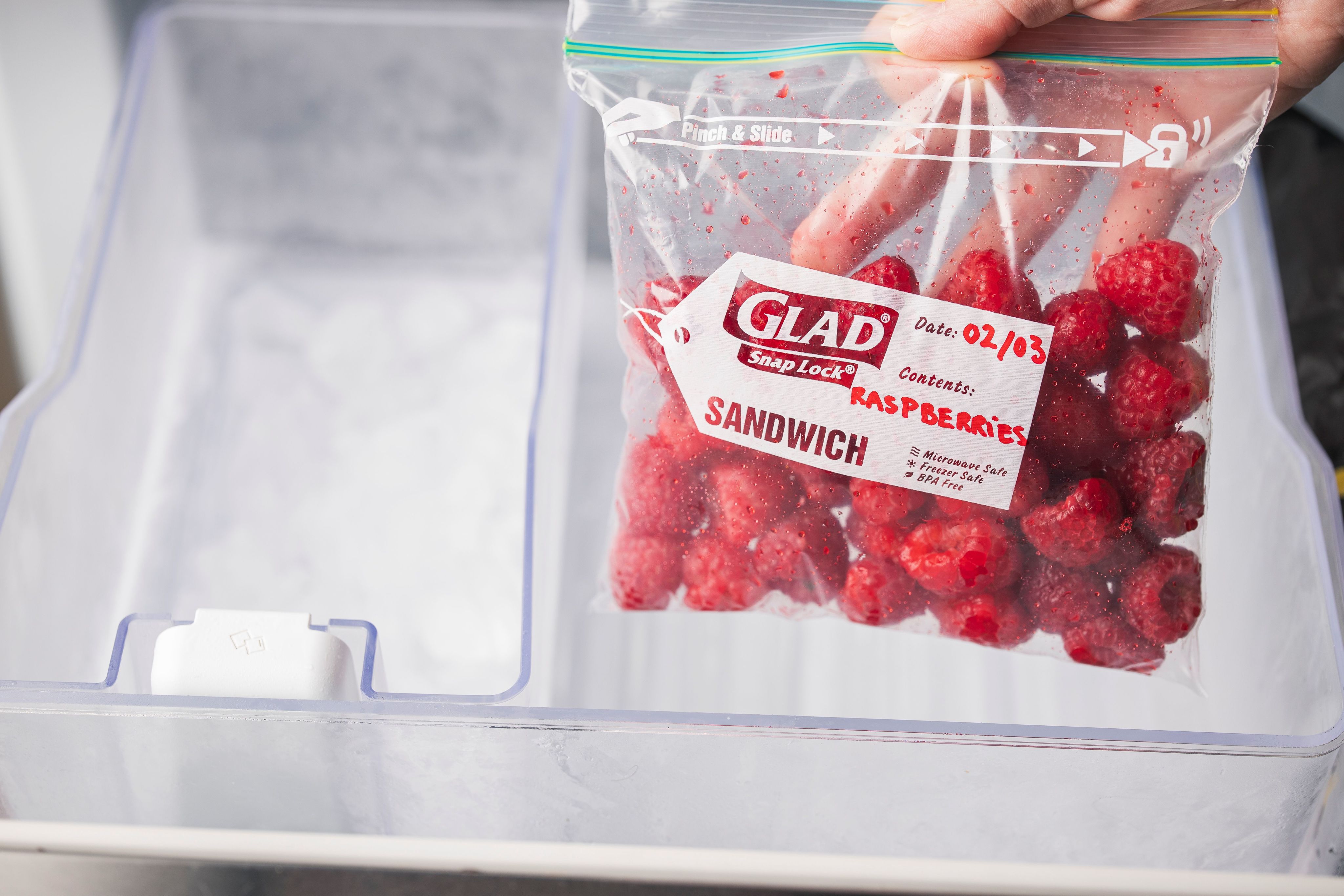
GLAD SNAP LOCK Reseal Bags make it easier to store and track food properly.
GLAD SNAP LOCK Reseal Bags make it easier to store and track food properly.

4. Freeze before food gets forgotten
The freezer is one of the most underused tools in the kitchen. Used well, it can dramatically reduce waste.
Leftovers, extra portions and surplus ingredients can often be frozen for later use. Whether it’s marinated chicken, cooked meals or fresh produce, freezing extends the life of food that might otherwise be forgotten.
Using a strong reseal bag with a reliable, leak-proof seal helps protect food in the freezer and avoid spills. It also makes storage more efficient and keeps everything organised. Labelling items with the date they were stored adds another layer of control, helping ensure nothing gets lost or wasted.
GLAD SNAP LOCK Reseal Bags are designed for secure, leak-proof freezer storage.
- Double lock seal helps prevent leaks and spills in the freezer
- Store flat, with a leak proof seal to save space and prevent mess
- Suitable for leftovers, marinated meats and batch cooking
Freezing food properly means less waste and more flexibility later.
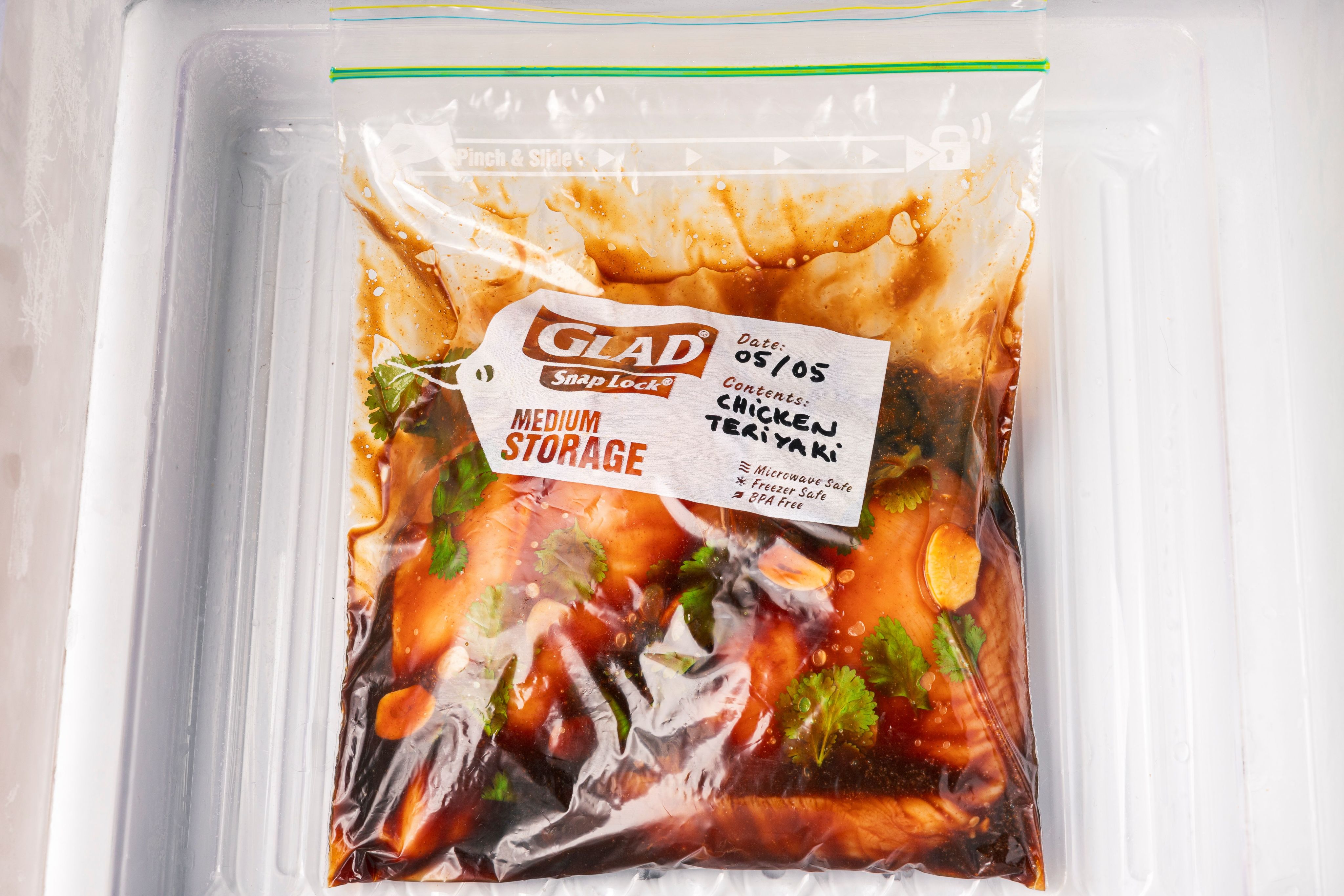
GLAD SNAP LOCK Reseal Bags are designed for secure, leak-proof freezer storage.
GLAD SNAP LOCK Reseal Bags are designed for secure, leak-proof freezer storage.

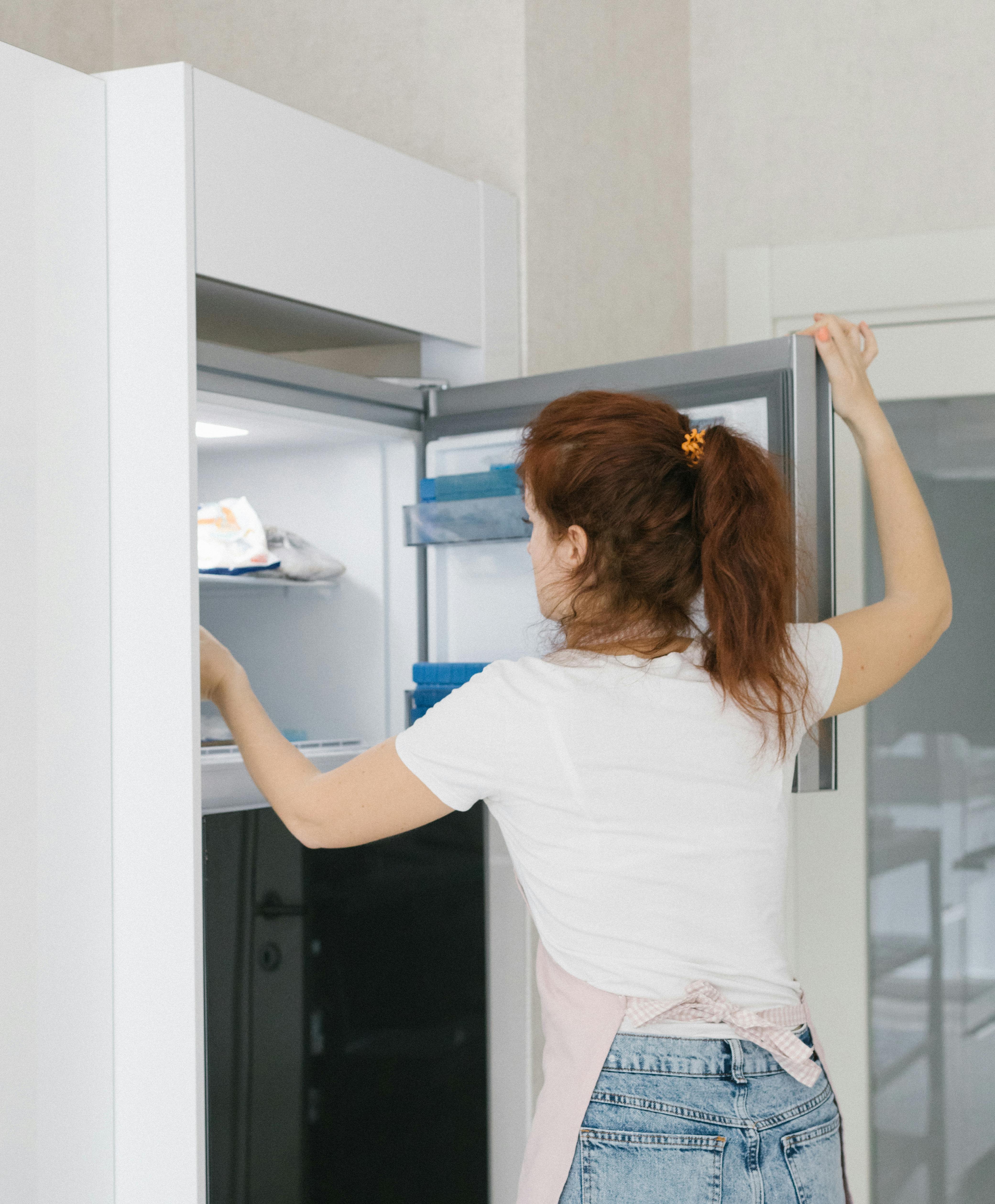
5. Prep smarter, not more
Over-buying and over-prepping are two of the biggest drivers of food waste. It often starts with good intentions, cooking in bulk or stocking up, but without a plan, food can quickly go unused.
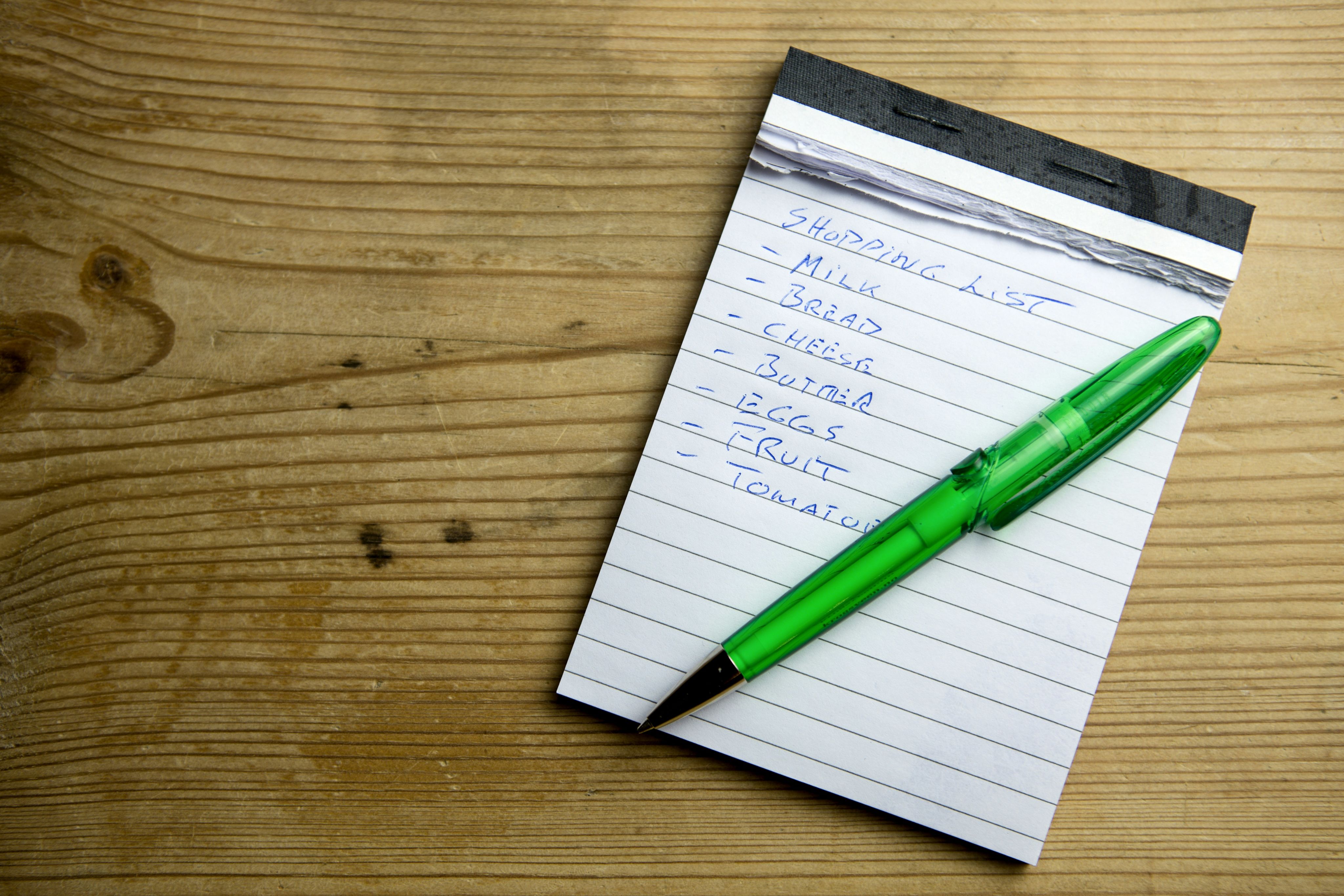
Smarter prep is about visibility and portioning. Making a list before every shop sounds obvious, but it works. Organising your fridge so food is easy to see, storing ingredients properly, and prepping only what you need can also make a difference.
Simple tools and reliable storage products can support these habits, helping keep ingredients fresh, contained and easy to manage. Over time, these small adjustments add up to less waste and more efficient use of what you already have.
GLAD supports Kiwis in developing better everyday kitchen habits.
- Makes it easy to portion and organise ingredients clearly
- Helps keep food fresh, visible and easy to use
- Reduces over-prepping and forgotten items
Small changes in how food is stored can lead to less waste over time.

Small changes, real impact
Reducing food waste doesn’t require perfection; just better habits. Storing food sooner, sealing it properly, understanding labels and using your freezer more effectively can all help extend the life of everyday ingredients.
These changes not only reduce waste but can also ease the weekly shop and lower household costs. With the right approach - and products you can rely on in the moments that matter - it becomes easier to make the most of the food you bring home.
Good storage practices, combined with reliable food storage solutions, can help reduce everyday food waste.

 Built with Shorthand