
A new menu
How Kiwi scientists are changing the way we eat

A fragile planet for our food ecosystem
The Covid-19 pandemic has highlighted the fragility of the world’s resources and supply chains, with food shortages resulting in empty supermarket shelves across the globe.
By 2050, the earth’s population is set to grow to 9 billion people. Producing food for a billion more people heaps further pressure on our climate, land and water resources, and our ability to control pests and diseases.
The United Nations recently released its latest Global Land Outlook, which found that four of the nine planetary boundaries used to define a ‘safe operating space for humanity’ have already been exceeded.
The UN warns if current human-induced desertification and land degradation trends continue, it could lead to irreversible environmental changes.
Adapting how we eat
As the earth faces future challenges, New Zealanders are adapting their food consumption habits.
The Sustainable Business Council’s 2022 Better Futures Report found that more Kiwis are embracing a flexitarian approach to food due to environmental concerns, while the Productivity Commission is advocating for more tech innovation in agriculture.
With a clear need for change, how can science ensure that we produce enough food, adapt to a changing climate, and protect our environment?
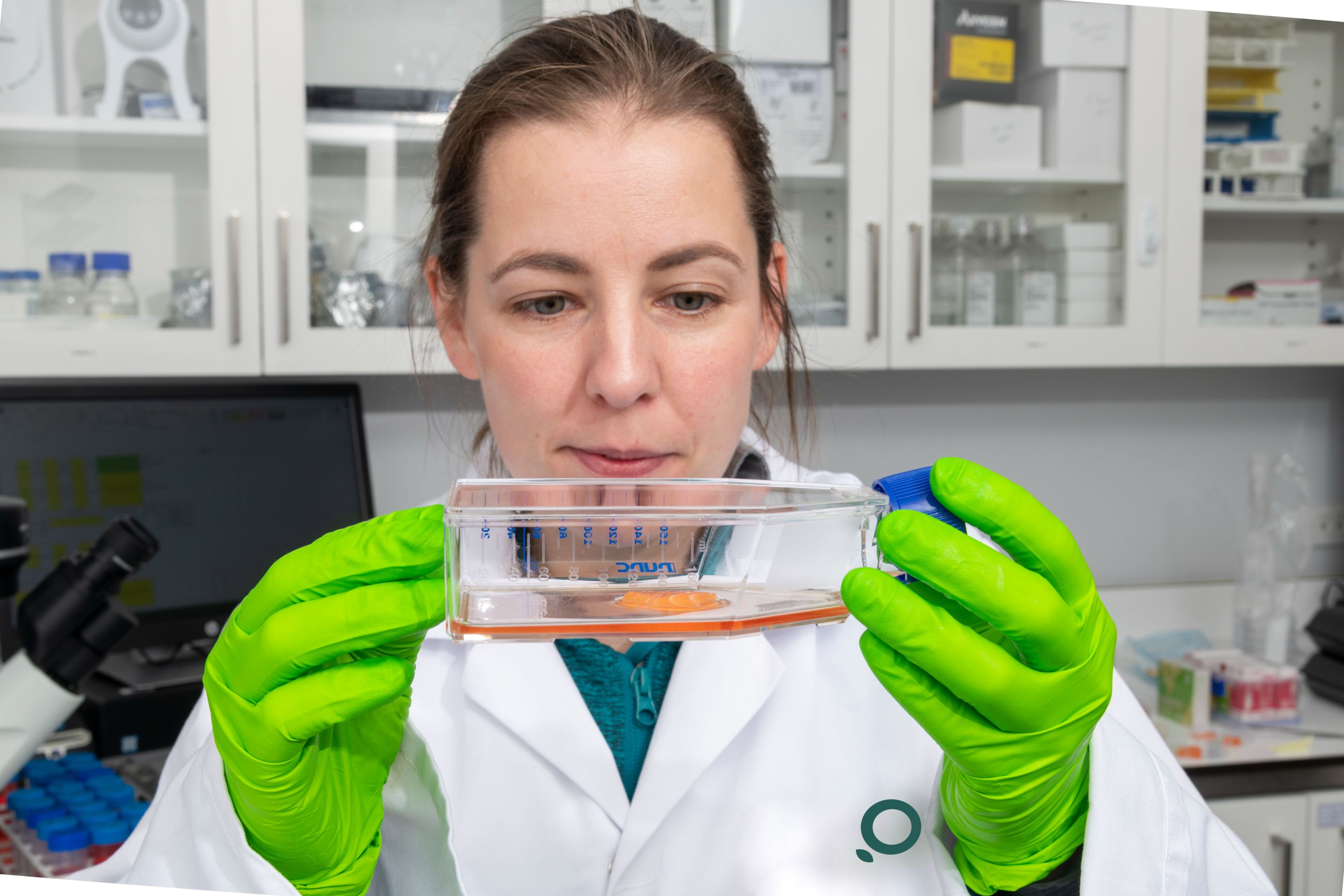
Plant & Food Research is the Crown Research Institute tasked with exploring better options for the plant and marine-based food sector.
Five scientists share their views.

Tackling climate change with innovation
The horticulture and arable industries are already low emitters of greenhouse gases, but the industry can innovate to further mitigate the threat of climate change, says Brent Clothier, Plant & Food Research principal scientist.


Food source innovation is key to combatting climate change, says Brent Clothier
Food source innovation is key to combatting climate change, says Brent Clothier
“Orchard gate or farm gate emissions tend to be relatively low,” he says. “Furthermore, productivity per-hectare is high, so our horticultural and arable products come from a relatively small land area.
“Through breeding, superior growing systems, and the ever-increasing skills of our growers, productivity per unit land area has been rapidly increasing.”
Production practice changes are key
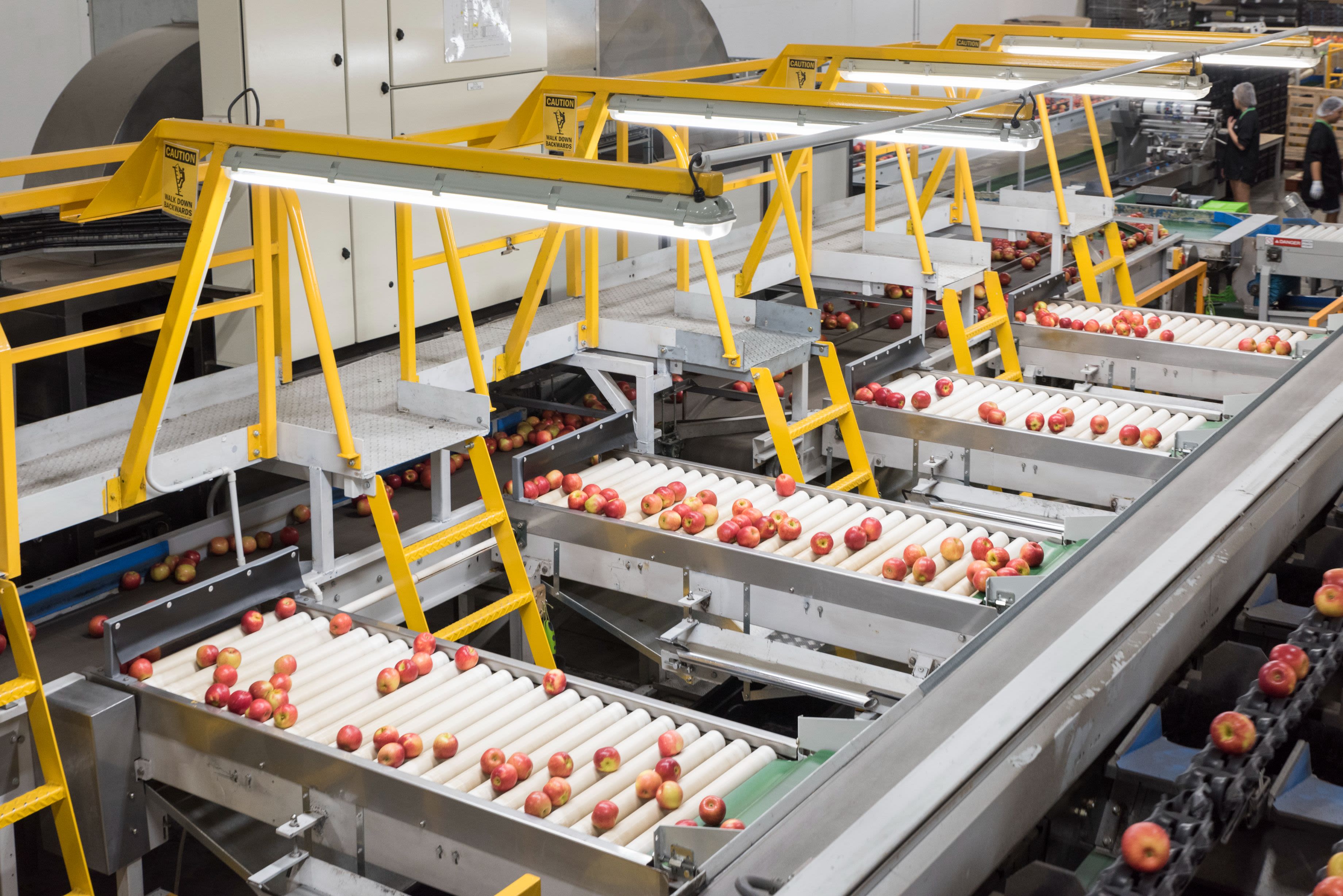
Clothier says better on-orchard practices, highly-skilled pickers, and better post-harvest practices mean “nearly every fruit that is picked is now used or exported.
Waste and reject fruit percentages are now very low."
Despite the encouraging signs, Clothier says further innovation is required to make the horticultural and arable sectors even more efficient.
“We all must continuously improve our production practices to reduce greenhouse gas emissions even further.”


Pioneering new methods to feed the population
Paul Johnstone, general manager science, sustainable production, says food producers are developing new production systems to allow us to grow more food on less land.
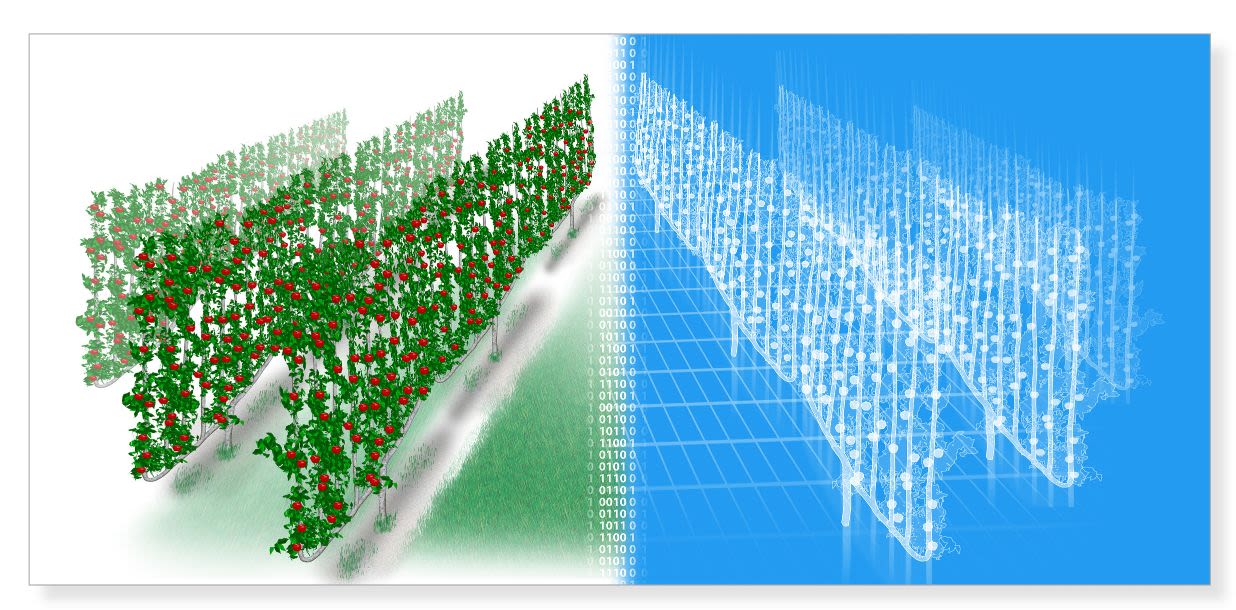
“One transformative change our scientists pioneered over the past decade has been the redesign of orchards to grow trees up rather than out — meaning they capture more sunlight. These changes have allowed us to almost double yields,” he says.
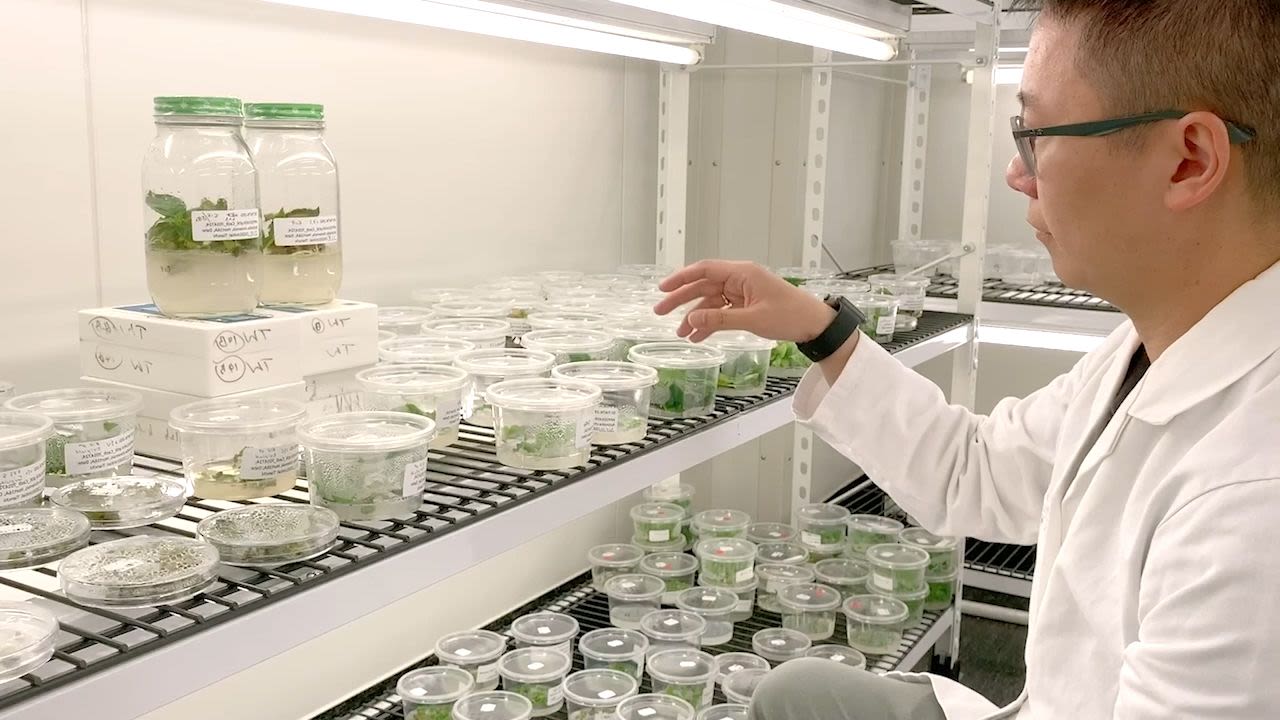
“We’re also looking indoors to see how controlled growing systems will allow the production of specialty crops with high efficiency and a lighter touch on the environment.”

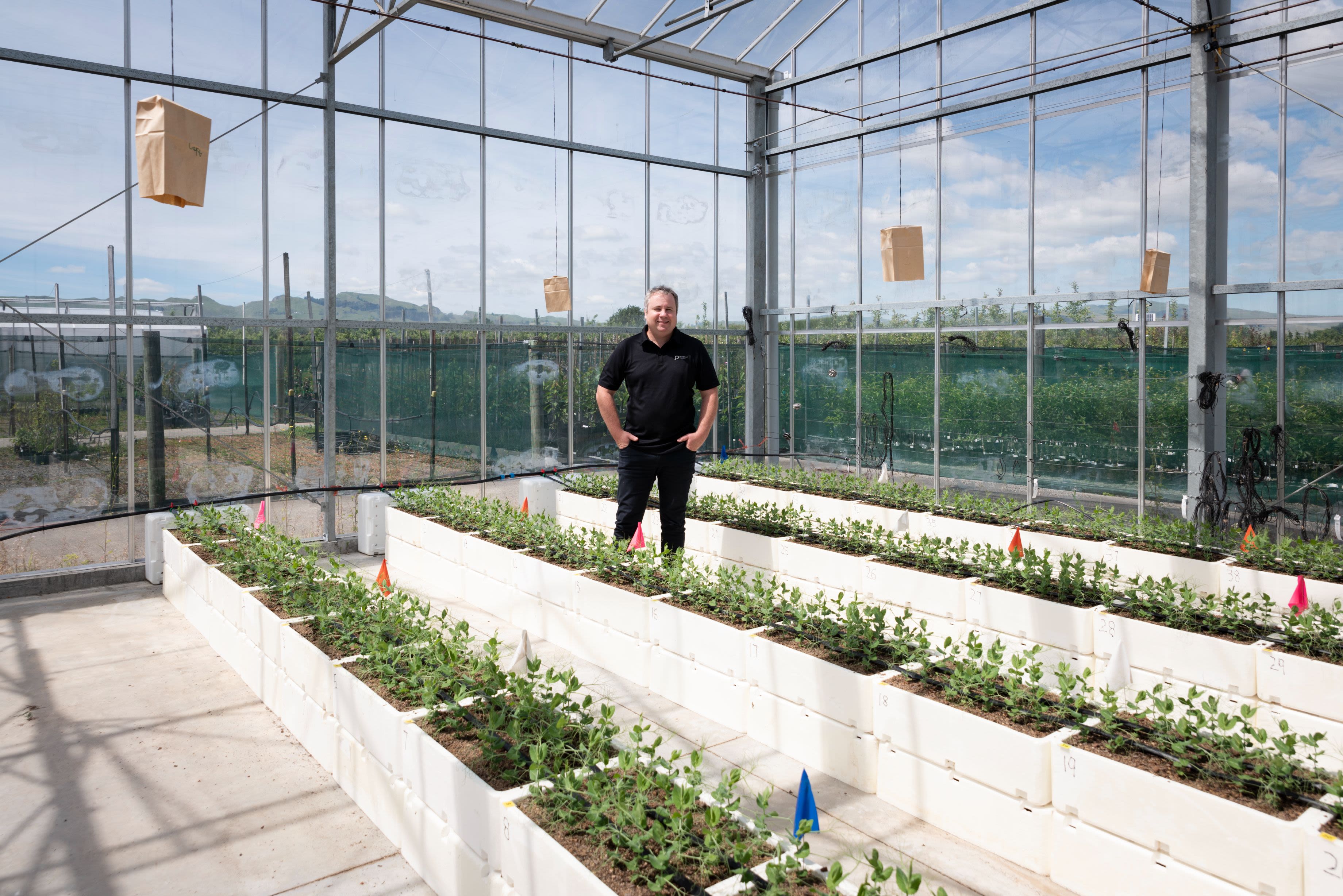
New production systems allow food to be grown on less land, says Paul Johstone
New production systems allow food to be grown on less land, says Paul Johstone
Solving the seafood problem
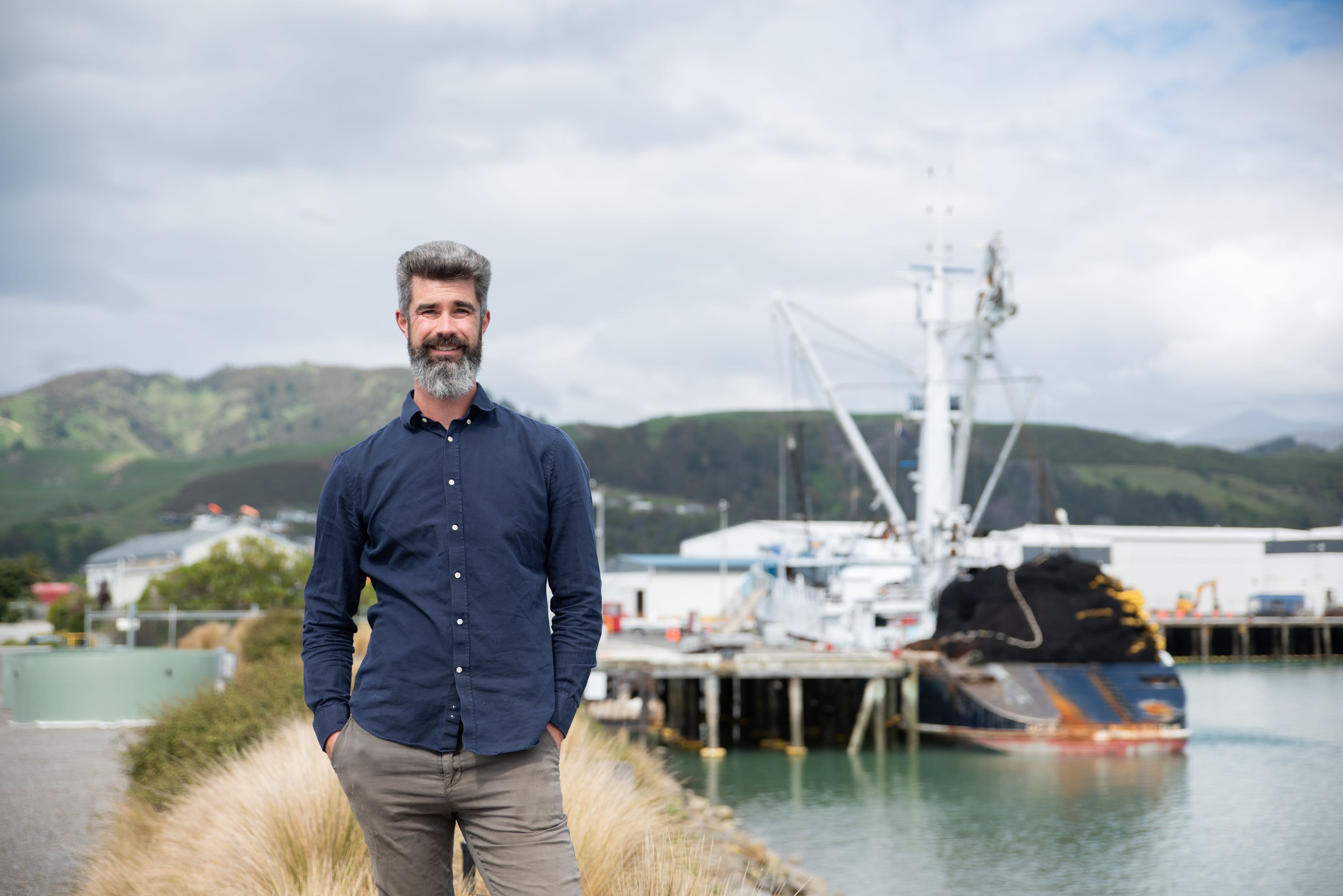
Senior scientist Damian Moran says methods such as open ocean aquaculture may offer a solution to problems such as overfishing.
“We need a deeper understanding about what it will mean for marine ecosystems to have large quantities of algae and animals produced in ocean farms, as well as how best to grow healthy fish in captivity.”
Moran believes new technologies, farming systems and land based industries will be needed to support aquaculture production.
“We need to develop ocean production systems that aren’t solely focussed on high-end food production for export, but also in producing affordable food for the people of Aotearoa. In addition, we need to make sure we get maximum value from every part of the harvest,” Moran says.

Protecting our resources
Clothier says it’s imperative that New Zealand’s natural resources aren’t adversely impacted by new methods of producing food.
He believes we can grow more food while keeping our resources healthy, pointing to developments in horticultural production as a reason for optimism.
He notes that over the past few decades, horticultural production per unit area has increased “dramatically”. Growers are also much more savvy about the amount of water and nutrients needed for a productive crop.
But New Zealand faces a challenge to maintain prime land resources for food production, he says.
“We currently consume about 40,000 ha or versatile lands per year through peri-urban creep, infrastructure, and development of lifestyle blocks. Keeping the right land available for food production is imperative.”
Ridding food supplies of pest problems
A further challenge will come from protecting our food production and environment against pests and diseases as the climate changes.
General manager of science, Bioprotection Suvi Viljanen says food production will be affected by a climate-related increase in pests and pathogens, requiring greater effort to control them.
She says food producers may need to grow more resistant varieties or species, use biotic and chemical pest control more strategically, change sowing and harvesting times, or manage irrigation to avoid creating microclimates for pests and diseases.
Growers may also need to improve pest monitoring, early warning and predictive systems, adapt cultivation and residue management techniques, or grow crops under cover, she adds.


Determining the right foods for a new world
New Zealand will need to create the right foods for a growing population amid changing habits and a changing climate.
General manager science, food innovation at Plant and Food Research, Jocelyn Eason, believes New Zealand will need to deliver options for more sustainable diets, including: “not only what we grow and how much we grow, but producing foods relevant to our future consumers”.
“Determining which foods are right for a new world is about delivering options for more sustainable diets — nutritious, environmentally sustainable, enjoyable, culturally appropriate, accessible,” she says.
"We need sustainable food systems to enable a sustainable diet that can deliver food within planetary boundaries.”
Plant-based foods key?
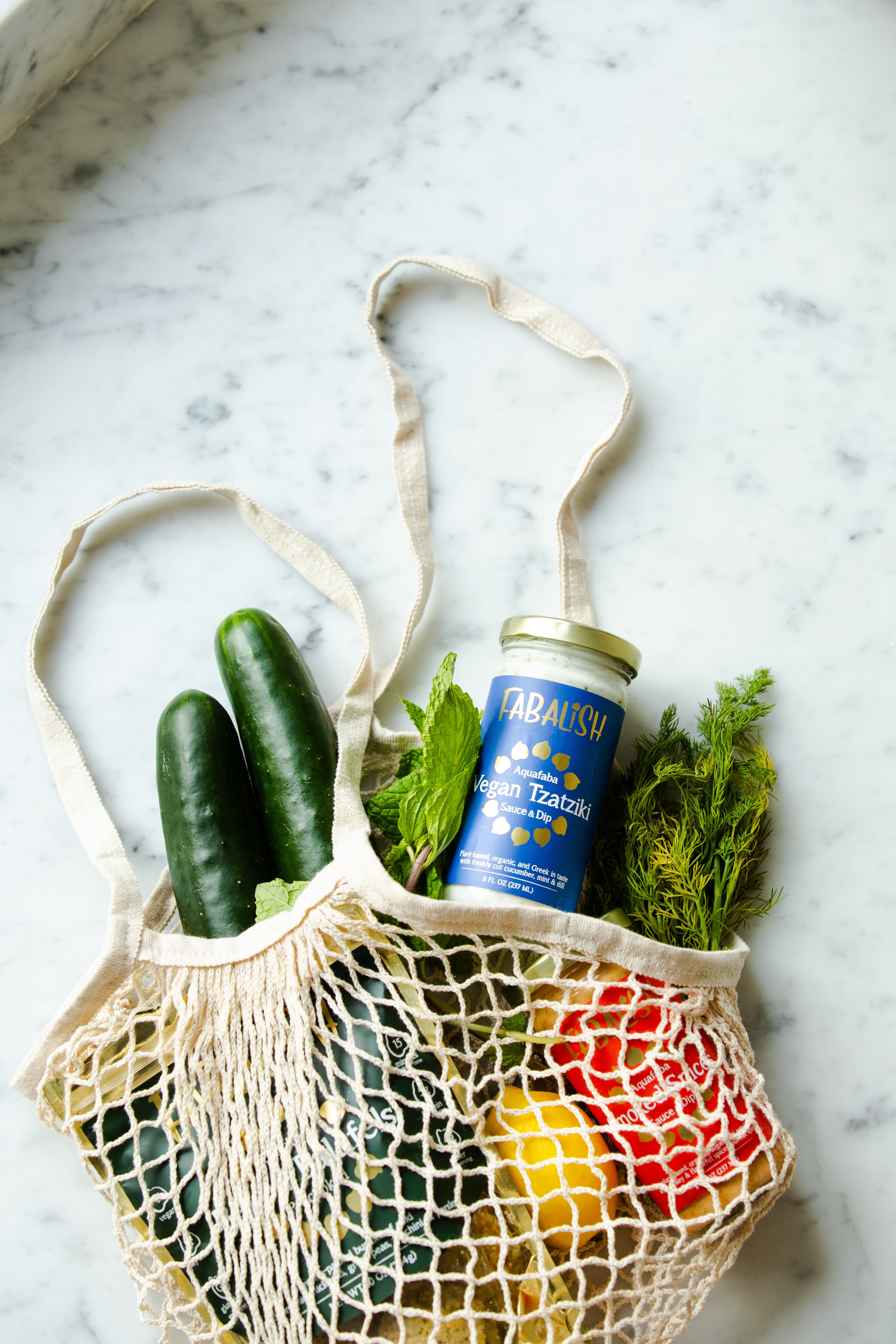
Eason believes New Zealand has “the expertise and an opportunity to breed, grow, and produce plant-based foods in an environmentally and economically sustainable way that delivers to human nutrition needs and values."
However, she says we need to design our food system around agriculture practices which maintain or improve the health of the land, and bio-circularity, where everything grown is used.


Reducing waste
Among the great challenges facing Aotearoa is the need to reduce waste, and eat enough of what we grow.
“I don’t think growing enough food will be the hurdle,” Eason says. “However, we will be challenged with distribution, accessibility and the ongoing issue of wastage. So, we need to grow the right sort of food in the right place.”
Tech advancements for new approaches
Meanwhile, technological advances can help us make the most of the normally inedible parts of a harvested crop so that the bio-resource we have produced isn’t wasted, she says.
“There may be inedible parts of a plant that we can use to recover nutrients suitable for human foods such as protein, fibre, or bioactives.
“We can also use materials science to understand the polymers in plants and how they might be used in non-food applications such as packaging. It’s an exciting area for investigation,” Eason adds.
🎧 Listen to the podcasts


More than tofu


Climate change and your weekly shop

Future foods: choice and balance
Plant & Food Research believe science can create a better future.
By finding smarter, greener options today, we're helping secure the world we want.




 Built with Shorthand