
Raising the woof for guide dogs-in-training
Sponsored content by Blind Low Vision NZ Guide Dogs


Help put a new roof over the heads of NZ guide dogs by supporting the Guide Dog Kennel Build Appeal
A life-altering change
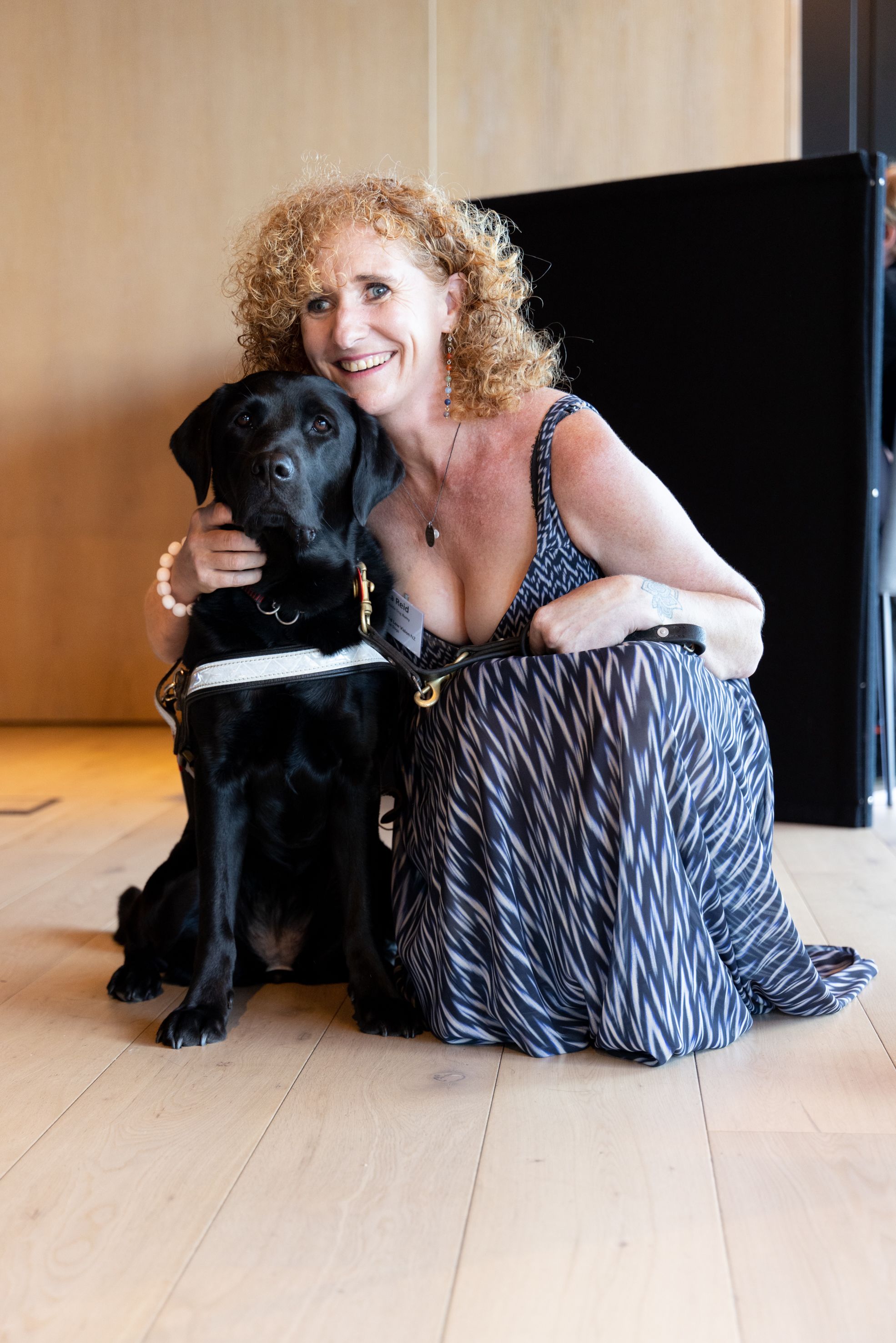
When Lisa Reid traded in her white cane for a guide dog, her entire life changed.
She moved into her first flat, landed her first job, and finally got a taste of the independence and freedom most of us take for granted.
“Getting a guide dog was unbelievably life-altering,” says Reid. “It gave me the freedom to step out of my front door, hold my head high, and go where I wanted to go safely. There are no words for it really – it enabled me to feel like I’m an equal part of the world.”
A chance to help
Reid is now working with her third guide dog, Romy and is an enthusiastic supporter of Blind Low Vision NZ’s Guide Dog Kennel Build Appeal – a campaign which hopes to raise $6 million to build state-of-the-art new kennels for New Zealand’s guide dogs in training.
With generous support from the New Zealand public, the country’s only guide dog training organisation aims to create fit-for-purpose facilities that will not only ensure happier, healthier guide dogs, but will also help those who are blind, deafblind or have low vision live a life without limits.

A better environment for guide dogs
According to Blind Low Vision NZ’s Head of Guide Dog Services, Peter Hine, the existing 35-year-old kennels have reached their end of their lifespan and are no longer conducive to the development of guide dogs in training.
“The new kennel build is a fantastic opportunity to bring us a world-class modern facility, and provide a better environment for dogs to come back to after a full day’s work,” he explains.
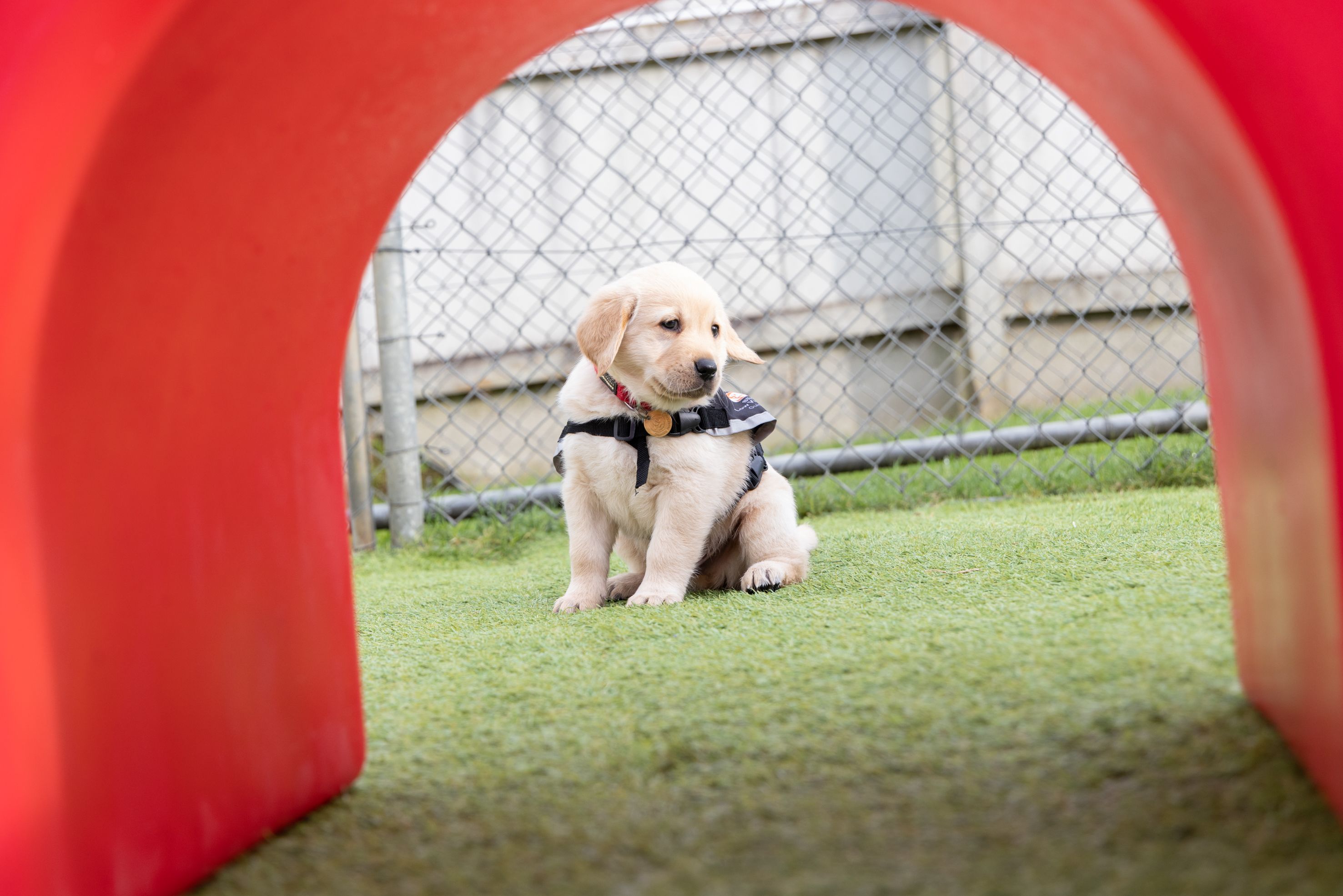
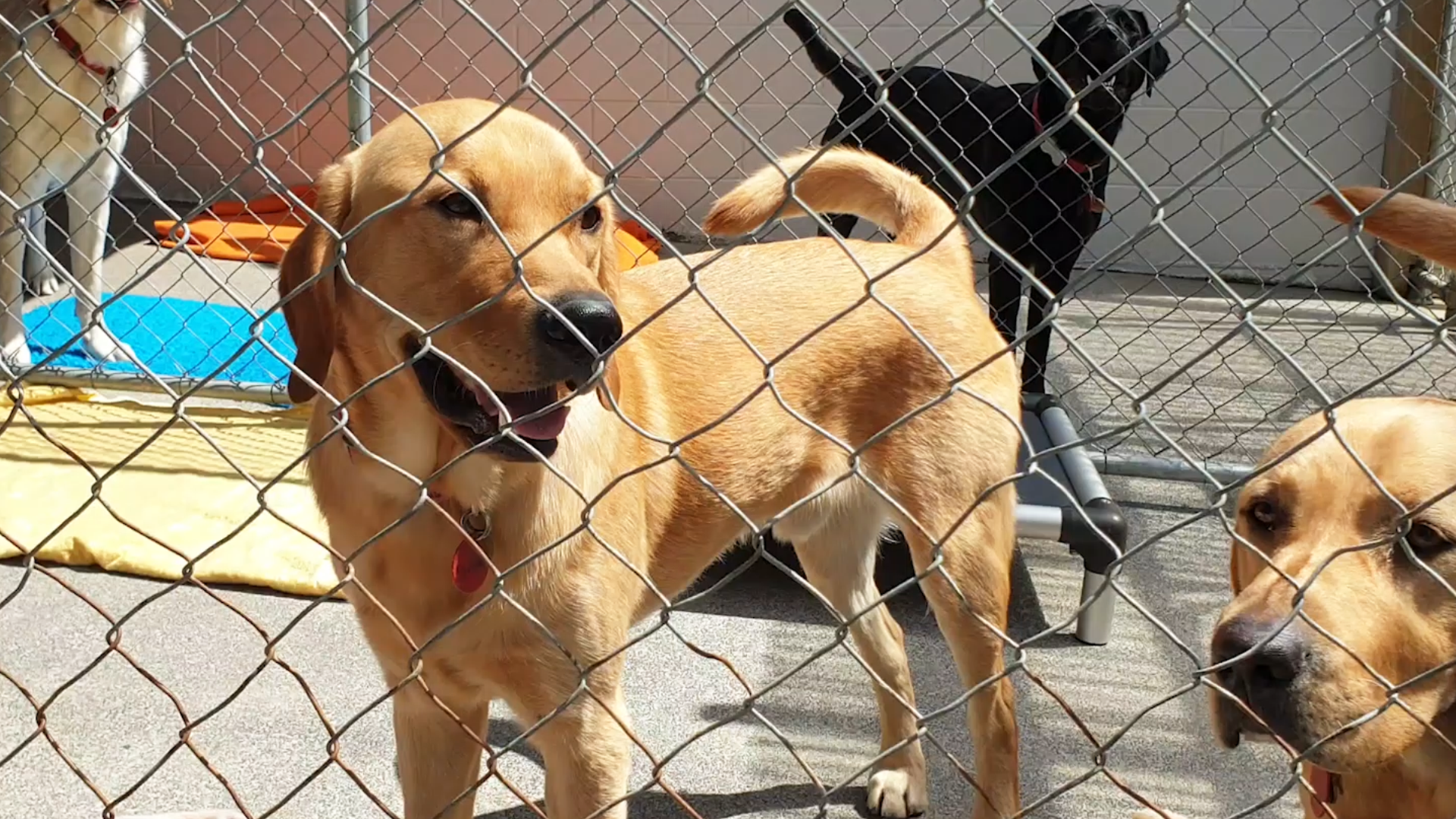
“For the first 12 to 14 months our dogs are living in family homes being looked after by Puppy Raisers – the unsung heroes of guide dogs. Then they come to our kennels for a 16 to 18-week training programme, and our current concrete block cage-front kennels are stark, noisy, cold and not fit-for-purpose. It’s quite a shock for them and it’s not the optimal environment for producing calm and happy guide dogs.”

Raising the standard for anxious animals
A lack of open and shared spaces limits opportunities for socialisation and can be a source of anxiety, and with no dedicated isolation unit to separate dogs when they become unwell, delays in the training and development pipeline are unavoidable.
“To be a gold standard guide dog is a big ask of any dog, it’s a massive responsibility and so succeeding on the training programme is extremely challenging. The new kennels will give them a better environment during their training, which in turn will improve their performance and ability to become guide dogs.”

Rigorous world-class training
The planned facility will include a dedicated isolation unit, a hydrotherapy pool for swimming, physio and play, and an enrichment play park complete with a range of ground surfaces, unusual structures, steps and ramps to improve confidence, balance and coordination. Hine and his team hope it will help boost the number of dogs who successfully graduate by an additional 20 percent.
“Currently there are around 50 people on the waiting list for a guide dog, and although we breed 100 – 120 puppies each year, only about 40 of them successfully graduate from the rigorous training programme to become working guide dogs.”

How you can help
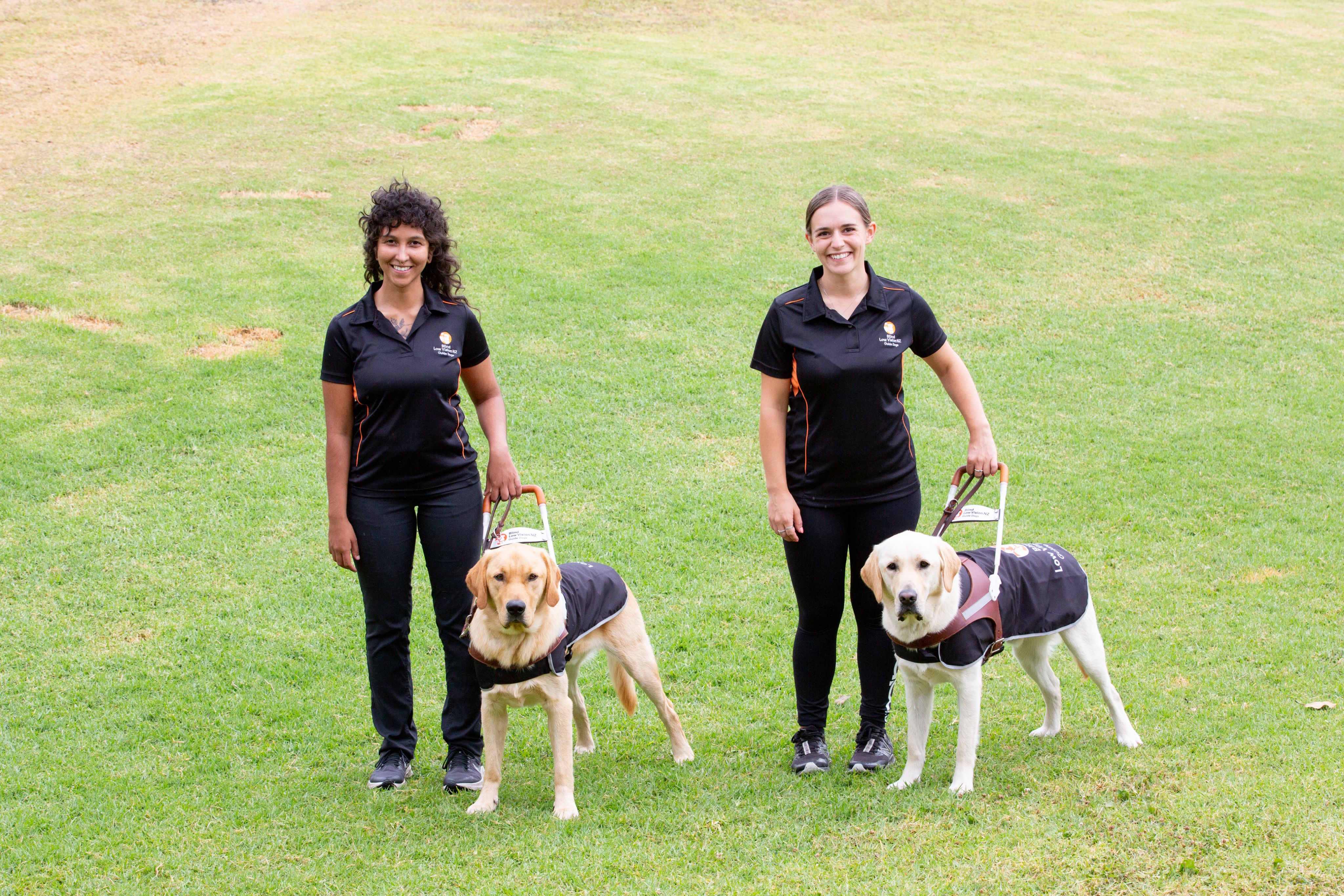
Around $2 million has already been raised for the project, but another $4 million will be required over the next 18 months as the project unfolds. As an organisation that doesn’t receive any government funding, Blind Low Vision NZ Guide Dogs is appealing to the New Zealand public to get behind the initiative and give generously.
“This new facility will give every guide dog in training a greater chance of success in delivering our clients that perfect match. At Blind Low Vision NZ we see first-hand the massive impact guide dogs have. When we deliver a new dog to a client the emotion is phenomenal. Our clients’ lives fundamentally change – they gain more confidence, can get out and be part of the community a lot more, and no longer feel secluded or isolated,” says Hine.

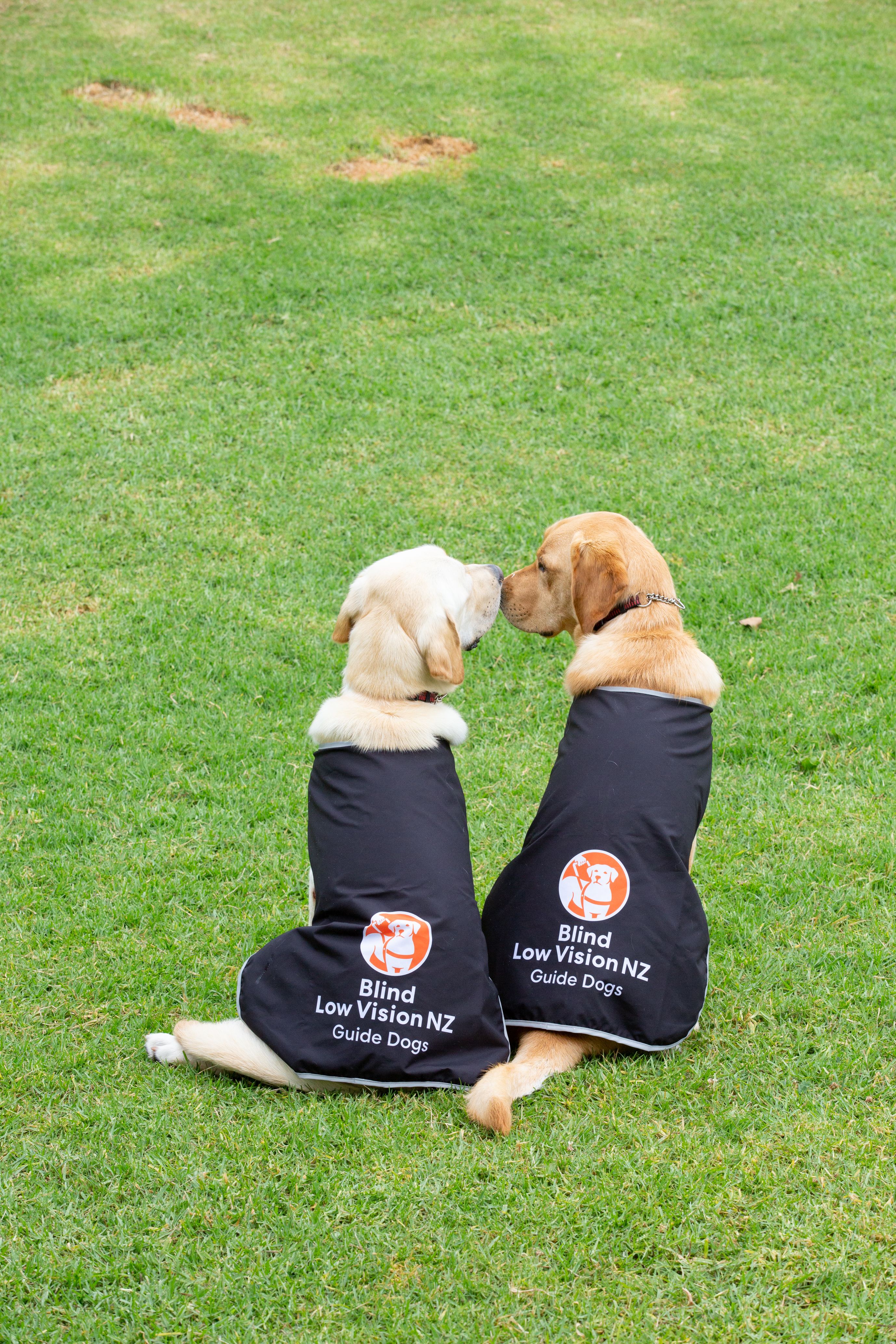
Fostering independence
Reid couldn’t agree more.
“There’s just so much more you can do once you’ve got a guide dog. It’s the little things that make such a difference – like finding doors and counters in cafes and shops, and even just knowing you’re going in the right direction! The difference between having a white cane and a guide dog is huge. A dog gives you your independence, takes away the loneliness and makes life fun. You just can’t put a price on how amazing that feels.”


To help people like Lisa live a life without limits, please donate to the Guide Dog Kennel Build Appeal today.


 Built with Shorthand